
Introduction
Laboratory water baths are among the most essential tools in modern research laboratories, offering precise temperature control, uniform heating, and safe operation without direct flame. These features make them indispensable across multiple scientific fields, including biology, chemistry, pharmaceuticals, and clinical diagnostics. Laboratory water bath applications are essential for understanding their wide range of uses.
Water baths are widely used in biological and chemical laboratories due to their precise temperature control, as explained by laboratory equipment experts. Unlike direct heating methods, water baths provide gentle and consistent heat, which is critical for temperature-sensitive experiments and reproducible results.
In this article, we’ll explore the most common applications of laboratory water baths in research, helping you understand where and why this equipment plays a crucial role.
If you’re planning to equip your lab, choosing from the best laboratory water baths for research labs can significantly impact your results.
1. Incubation of Biological Samples
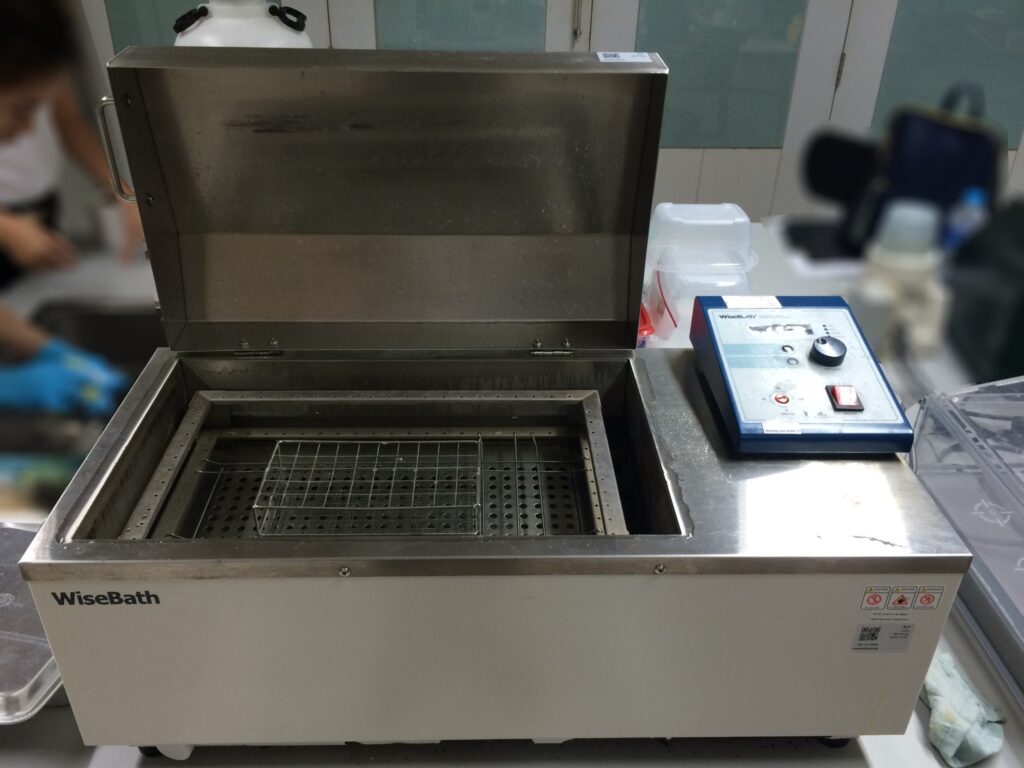
One of the most widespread uses of water baths is in biological and microbiological research.
- Maintaining cell cultures at stable temperatures (e.g., 37°C)
- Incubating bacteria and microorganisms
- Supporting tissue culture experiments
Water baths ensure a constant environment, which is essential for proper growth and reproducibility of biological samples.
- Molecular biology labs
- Biotechnology research
- Medical diagnostics
2. Controlled Chemical Reactions
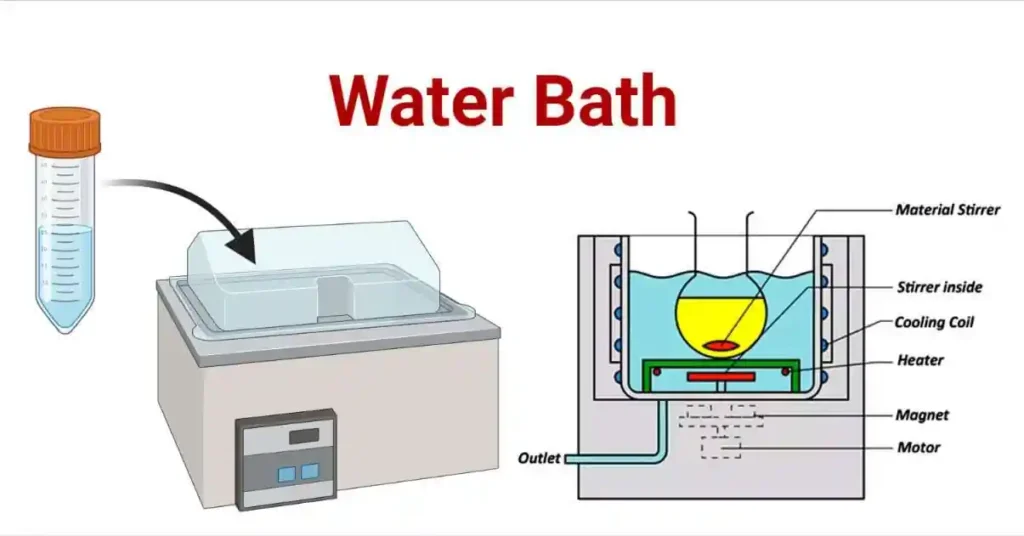
In chemistry labs, water baths are used to perform temperature-controlled reactions.
Key applications include:
- Heating reagents gradually
- Controlling reaction rates
- Preventing overheating
One major advantage is safety:
👉 Water baths are ideal for heating flammable chemicals, since they eliminate open flames and reduce ignition risk.
For such sensitive applications, investing in high-quality laboratory water baths ensures accurate and reproducible outcomes.
3. Enzyme and Protein Studies
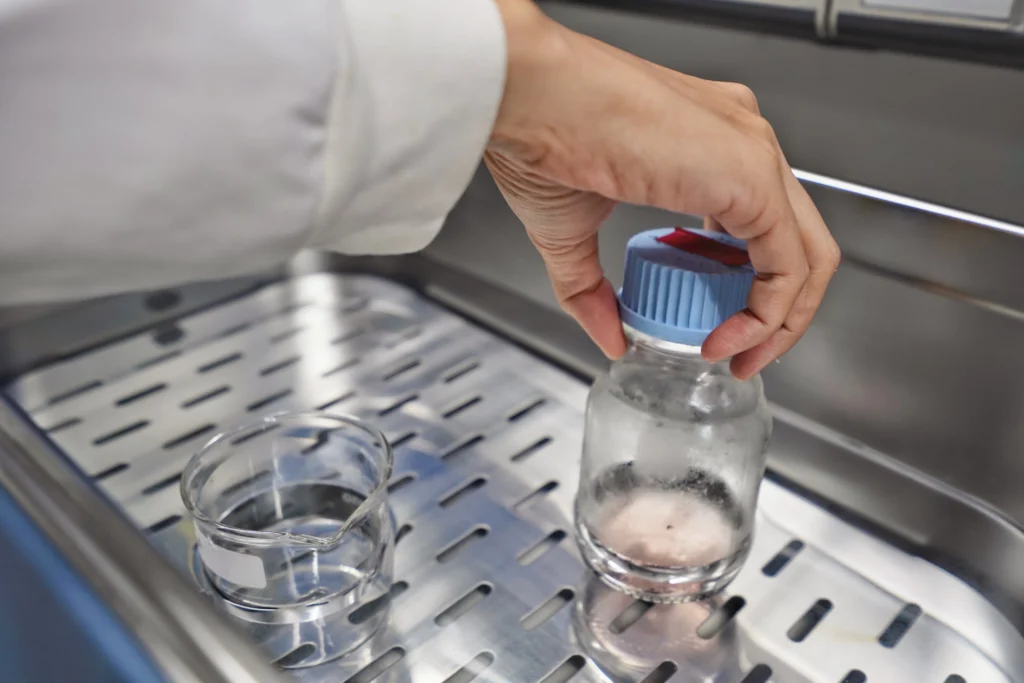
Enzymes are extremely sensitive to temperature changes, so precise control is critical. Precise temperature control is essential for enzyme stability and activity, as supported by findings from NIH research.
Water baths are commonly used for:
- Enzyme kinetics experiments
- Protein denaturation studies
- DNA/RNA processing
4. Pharmaceutical Testing & Drug Development
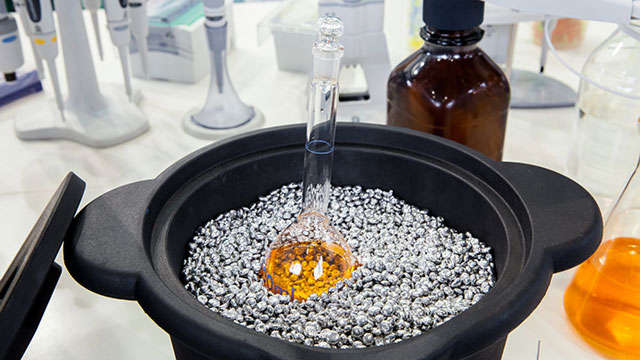
In pharmaceutical labs, water baths are essential for:
- Drug stability testing
- Sample preparation
- Dissolution and solubility studies
These processes require highly controlled temperatures to ensure consistency and compliance with industry standards. Accurate temperature regulation is critical in pharmaceutical applications, as highlighted in laboratory guidelines by Thermo Fisher Scientific.
5. Sample Thawing and Warming
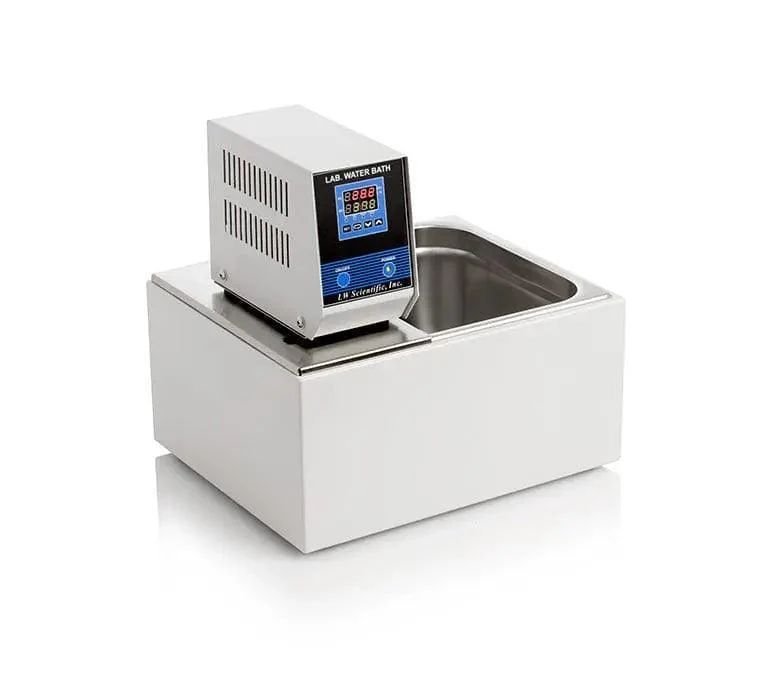
Water baths are widely used for safe thawing and warming of samples, such as:
- Frozen biological samples
- Blood and clinical samples
- Reagents and solutions
This method prevents thermal shock and ensures uniform heating.
You can also explore our detailed water bath vs hot plate comparison to understand when each method is more suitable.
6. Microbiology & Serology Applications
In clinical and microbiology labs, water baths are used for:
- Serological testing (antibody detection)
- Fermentation studies
- Growth observation of microorganisms
These applications require consistent incubation temperatures for reliable results.
7. Melting, Dissolving, and Sample Preparation
Water baths are ideal for gentle heating tasks such as:
- Melting waxes, gels, or agar
- Dissolving solids into liquids
- Preparing samples for analysis
This ensures uniform heating without degradation of sensitive materials.
If you’re new to this equipment, check out our guide on how to use a laboratory water bath safely and effectively.
Conclusion
Laboratory water baths are far more than simple heating devices — they are a core component of modern research workflows.
From cell culture incubation and enzyme reactions to chemical synthesis and pharmaceutical testing, their ability to provide stable, uniform, and safe heating makes them indispensable in nearly every scientific field.
👉 If your lab relies on precision and reproducibility, investing in the right water bath can significantly improve your experimental outcomes.
👉 Ready to upgrade your lab setup? Explore our complete guide to the best laboratory water baths for research labs (2026) and find the perfect model for your needs.
FAQ
A laboratory water bath is used to heat and incubate samples at a constant temperature, commonly in biological, chemical, and pharmaceutical experiments.
Because they eliminate open flames, making them ideal for heating flammable substances safely.
Water baths are widely used in:
Biology & microbiology
Chemistry labs
Pharmaceutical research
Clinical diagnostics
Most laboratory water baths operate between room temperature and 100°C, suitable for gentle heating applications.