
Introduction
Understanding how orbital shakers work can make a noticeable difference in the quality and consistency of your laboratory results. Instead of relying on trial and error, knowing the underlying motion and key parameters helps you optimize mixing, improve oxygen transfer, and avoid common issues in experiments.
In simple terms, orbital shakers operate through a controlled circular motion that keeps samples in constant movement. However, factors like RPM, orbital diameter, and load distribution play a critical role in how effective this motion actually is.
In this guide, we’ll break down how orbital shakers work in laboratory experiments and explain the key factors that directly impact real lab performance.
If you’re comparing available options, it’s helpful to review the best orbital shakers currently used in laboratory research to get a clearer idea of features and performance differences.
1. How Orbital Shakers Work: Core Working Principle
At its core, an orbital shaker operates by converting motor-driven rotation into a controlled circular motion of the platform. Unlike linear or back-and-forth agitation, this orbital movement maintains a consistent trajectory, allowing samples to move smoothly along a fixed path without sudden directional changes.
This continuous circular motion creates a stable mixing environment where liquids circulate within containers—typically flasks or tubes—without splashing or forming dead zones. As a result, particles remain evenly suspended, and gradients in concentration are minimized over time.
The effectiveness of this process depends on how well the motion is transferred from the shaker mechanism to the sample itself. When properly configured, the liquid follows a synchronized orbital flow, forming a gentle vortex that enhances mixing while preserving the integrity of sensitive samples such as cell cultures or protein solutions.
In practical terms, this is why orbital shakers are widely used in laboratory experiments where uniform mixing, reproducibility, and low shear stress are essential. By maintaining a predictable motion pattern, they provide a level of control that simpler agitation methods cannot achieve.
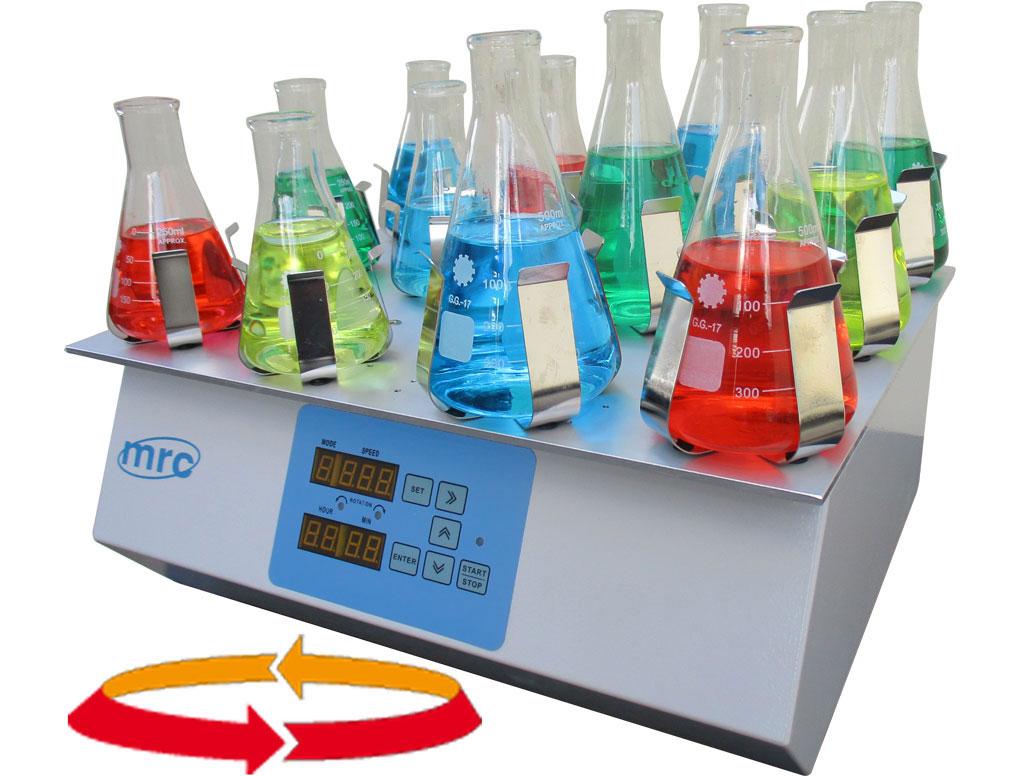
2. What Creates Orbital Motion in a Laboratory Shaker?
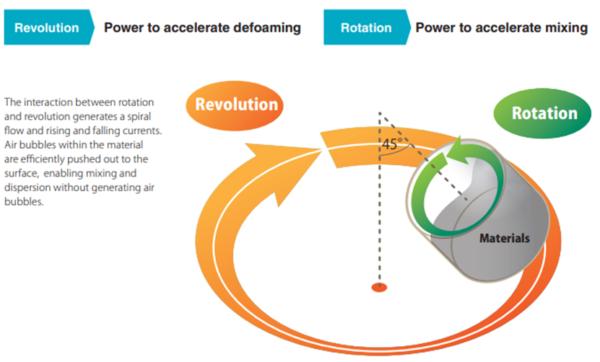
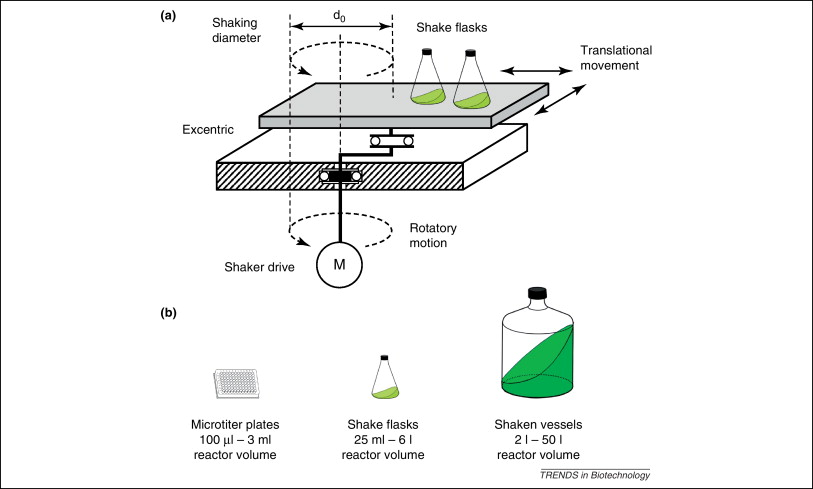
The orbital motion in a laboratory shaker is not random—it is the result of a precisely engineered mechanical system designed to convert rotational energy into controlled circular movement. At the center of this system is an electric motor connected to an eccentric drive mechanism, which is responsible for generating the orbital path.
Instead of rotating the platform in place, the motor drives an off-center shaft or cam. This offset creates a circular displacement, causing the entire platform to move in a smooth, fixed-radius orbit. The key here is that the platform itself does not spin—it follows a consistent circular trajectory, which is essential for maintaining stable mixing conditions.
This design allows the motion to remain uniform across all positions on the platform, ensuring that each sample experiences the same agitation pattern. The stability of this motion is what makes orbital shakers especially reliable for experiments where reproducibility is critical, such as cell culture or biochemical reactions.
In practice, the quality of the orbital motion depends on factors like motor precision, balance of the platform, and load distribution. Any imbalance can disrupt the circular path, reducing mixing efficiency and potentially affecting experimental outcomes.
The diagram below shows how orbital motion is generated using an eccentric drive mechanism.
3. Key Components That Control Orbital Shaker Performance
The performance of an orbital shaker is not determined by motion alone, but by a combination of key components that work together to maintain stability, precision, and consistency during operation. Understanding these components helps you interpret how different models behave under real laboratory conditions.
At the core is the motor, which provides the driving force behind the orbital motion. High-quality motors ensure stable speed control, especially at higher RPM levels where even small fluctuations can affect mixing efficiency. This stability is critical in experiments that require reproducible conditions over extended periods.
Connected to the motor is the drive mechanism, typically an eccentric cam or offset shaft, which translates rotational energy into orbital movement. The accuracy of this component directly influences how smooth and consistent the motion remains across the platform.
Another essential element is the platform and its mounting system. A well-balanced platform ensures that motion is evenly distributed across all samples. Poor load distribution or weak mounting can introduce vibrations, leading to uneven mixing or even sample spillage.
Finally, the control system—including speed regulation and, in some models, temperature control—plays a crucial role in adapting the shaker to different experimental needs. Precise control over RPM allows researchers to fine-tune conditions based on sample type, viscosity, and desired mixing intensity.
Together, these components define how effectively an orbital shaker performs, particularly in demanding laboratory experiments where consistency and control are essential.
The diagram below highlights the key components that control orbital shaker performance.
4. How RPM and Orbital Diameter Affect Mixing Efficiency
While orbital motion defines how a shaker operates, the real performance comes down to two critical parameters: RPM (rotations per minute) and orbital diameter. These factors determine how energy is transferred to the sample and directly influence mixing efficiency, oxygen transfer, and overall experimental consistency.
RPM controls how fast the platform moves along its circular path. At lower speeds, the liquid inside the container follows a gentle, wave-like motion, which is suitable for delicate samples such as cell cultures. As RPM increases, the motion becomes more dynamic, enhancing mixing and improving gas exchange—but only up to a certain point. Excessively high speeds can destabilize the liquid, leading to splashing or uneven flow patterns.
Orbital diameter, on the other hand, defines the size of the circular path. A larger diameter produces stronger agitation and greater fluid displacement, making it ideal for applications requiring high mixing intensity. In contrast, smaller orbital diameters provide more controlled and uniform motion, which is often preferred for sensitive biological processes.
The key is finding the right balance between RPM and orbital diameter. A high RPM combined with a large orbital diameter can generate excessive shear forces, potentially damaging cells or disrupting experimental conditions. Conversely, low RPM with a small orbit may result in insufficient mixing and poor reproducibility.
In laboratory practice, optimizing these two parameters is essential for achieving consistent results. Understanding how they interact allows researchers to tailor the shaking conditions based on sample type, volume, and experimental goals.
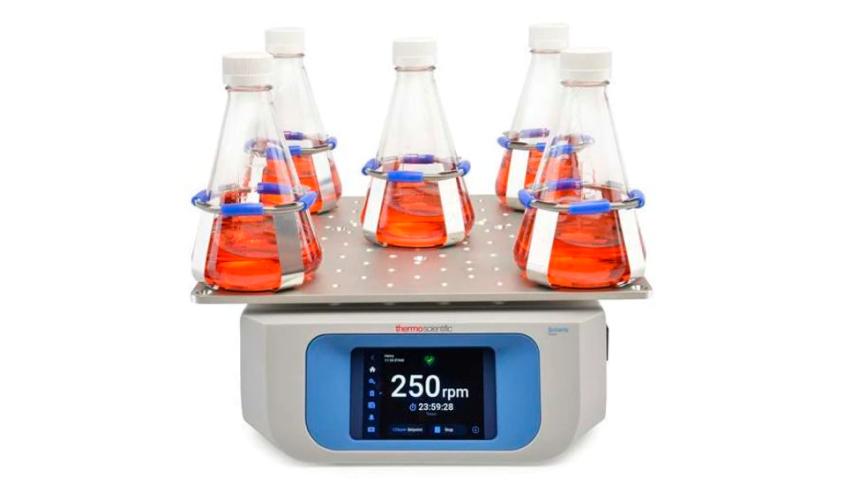
In some cases, more advanced systems like digital hotplate magnetic stirrers are used for combined heating and mixing applications.
5. Why Orbital Shaking Improves Oxygen Transfer and Sample Uniformity
One of the key advantages of orbital shakers in laboratory experiments is their ability to enhance oxygen transfer while maintaining uniform sample conditions. This is especially important in applications such as cell culture, microbiology, and biochemical reactions, where oxygen availability directly affects growth and reaction rates.
As the shaker platform moves in a circular path, the liquid inside the flask forms a dynamic flow pattern. This motion continuously renews the liquid surface exposed to air, allowing oxygen to diffuse more efficiently into the medium. Unlike static conditions, where diffusion is limited, orbital shaking significantly increases the contact between the liquid and the surrounding environment.
At the same time, this movement creates consistent internal circulation, preventing the formation of concentration gradients within the sample. Nutrients, dissolved gases, and suspended particles remain evenly distributed, which is critical for reproducibility and experimental accuracy.
Another important factor is that orbital shaking provides effective mixing without introducing excessive shear stress. This makes it suitable for sensitive biological systems, where maintaining cell integrity is just as important as achieving proper mixing.
In practical laboratory settings, this combination of improved oxygen transfer and uniform distribution is what makes orbital shakers indispensable for controlled and reliable experimental outcomes.
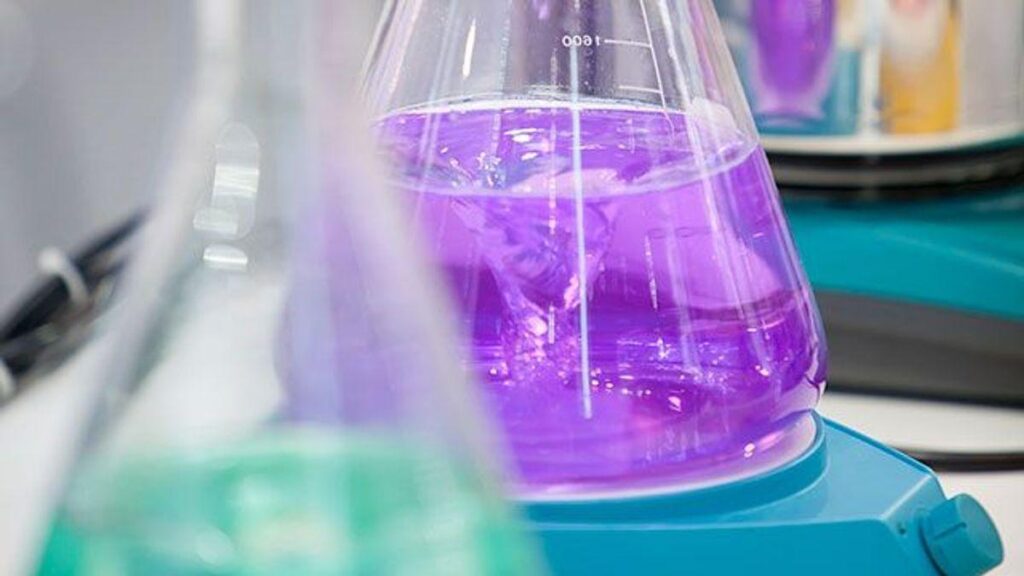
Studies on oxygen transfer in cell culture systems show that proper agitation significantly improves oxygen diffusion and cell growth efficiency.
6. Common Laboratory Applications of Orbital Shakers
Orbital shakers are widely used across different laboratory fields due to their ability to provide consistent mixing, controlled agitation, and stable experimental conditions. Their versatility makes them a standard piece of equipment in both research and industrial laboratories.
One of the most common applications is in cell culture and microbiology experiments, where orbital shaking promotes oxygen transfer and keeps cells uniformly suspended in the growth medium. This is essential for maintaining healthy cell growth and ensuring reproducible results. These applications are especially important in microbiology, where the applications of orbital shakers in biology labs become more evident.
In biochemistry and molecular biology, orbital shakers are frequently used for processes such as protein expression, enzyme reactions, and DNA extraction. The uniform mixing helps maintain consistent reaction conditions, which directly affects the efficiency and accuracy of these experiments.
Orbital shakers are also widely applied in chemical laboratories, particularly for dissolving solids, mixing reagents, and preparing homogeneous solutions. The controlled motion allows for thorough mixing without introducing excessive turbulence.
Another important use is in sample preparation and incubation, where maintaining a stable and uniform environment is critical. In these cases, orbital shakers—especially shaking incubators—provide both agitation and temperature control, making them ideal for sensitive experimental workflows.
Because of these diverse applications, choosing the right orbital shaker for your specific needs becomes an important decision. Different experiments may require different RPM ranges, orbital diameters, or platform configurations.
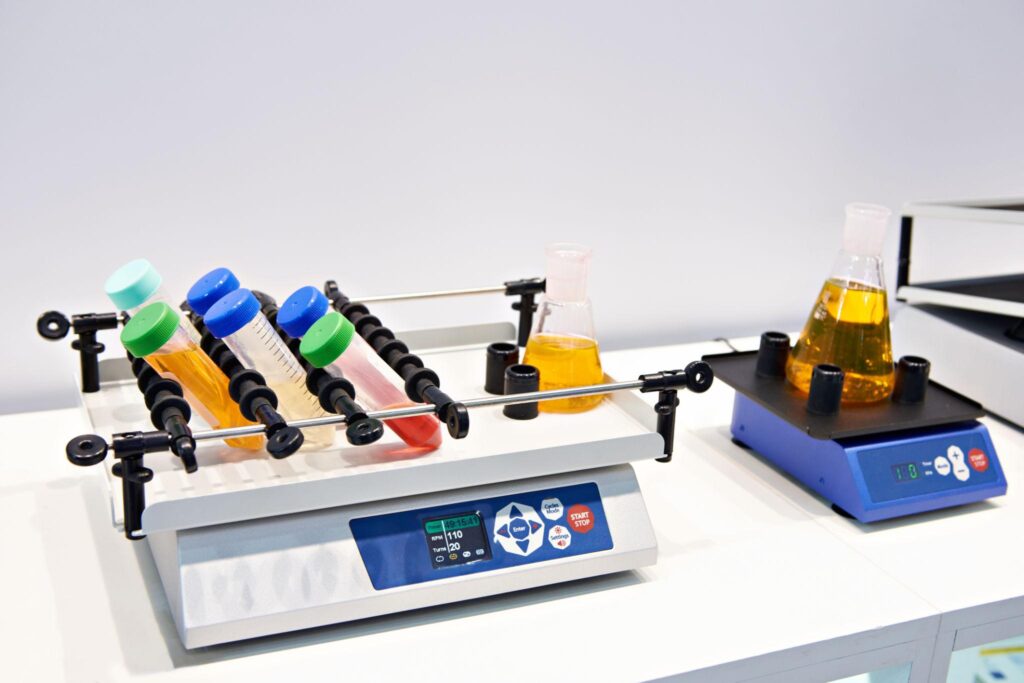
7. Common Mistakes When Using Orbital Shakers (And How to Avoid Them)
Even though orbital shakers are relatively easy to use, small mistakes in setup and operation can significantly affect experimental results. Many of these issues are not immediately obvious but can lead to inconsistent mixing, reduced efficiency, or even sample loss.
One of the most common mistakes is using an incorrect RPM setting. Running the shaker too slowly may result in poor mixing, while excessively high speeds can cause splashing, uneven flow patterns, or damage to sensitive samples. Choosing the right speed based on sample type and volume is essential.
Another frequent issue is improper load distribution on the platform. Placing flasks unevenly can create imbalance, leading to vibrations that disrupt the orbital motion. This not only reduces mixing efficiency but can also put unnecessary strain on the motor over time.
Using the wrong type of container or failing to secure it properly is another mistake that can compromise results. Loose or incompatible holders may allow samples to shift during operation, affecting consistency and increasing the risk of spillage.
In some cases, users overlook the importance of orbital diameter selection, which directly impacts the intensity of mixing. A mismatch between RPM and orbital diameter can lead to either insufficient agitation or excessive shear forces.
To avoid these issues, it’s important to carefully adjust operating parameters, ensure proper balancing of samples, and select the right configuration for each experiment.
8. Orbital Shaker vs Other Lab Mixing Methods
While orbital shakers are widely used in laboratory experiments, they are not the only mixing method available. Depending on the application, other devices such as magnetic stirrers, vortex mixers, and linear shakers may also be used. Understanding the differences helps you choose the most appropriate tool for your specific experiment.
8.1. Orbital Shaker vs Magnetic Stirrer
Magnetic stirrers are commonly used for mixing low-viscosity liquids in beakers using a rotating magnetic bar. They are compact and suitable for simple chemical mixing tasks. However, they typically provide localized mixing and are less effective for large volumes or applications requiring oxygen transfer.
In contrast, orbital shakers create a uniform circular motion that distributes energy across the entire sample, making them more suitable for biological applications such as cell culture and microbial growth.
For a more detailed analysis, a dedicated orbital shaker vs magnetic stirrer comparison can help clarify the differences.
8.2 Orbital Shaker vs Vortex Mixer
Vortex mixers are designed for rapid, high-intensity mixing of small samples, usually in test tubes. They generate strong turbulence but are not intended for continuous operation or large sample volumes.
Orbital shakers, on the other hand, provide controlled and continuous mixing over longer periods, which is essential for experiments requiring stability and reproducibility.
8.3 Orbital Shaker vs Linear Shaker
Linear shakers move samples back and forth in a straight line. While they can provide effective agitation, the motion is less uniform compared to orbital shaking. This may result in uneven mixing or less efficient oxygen transfer.
Orbital shakers offer a smoother and more consistent circular motion, making them preferable for applications where uniformity is critical.
8.4 When Should You Choose an Orbital Shaker?
Orbital shakers are the preferred choice when you need:
- Uniform mixing across multiple samples
- Improved oxygen transfer for biological systems
- Stable, long-term agitation
- Reduced risk of localized turbulence
For simpler liquid mixing tasks, you can also consider alternatives such as non-heating magnetic stirrers used in laboratory experiments, which are commonly used in chemistry labs.
9. How to Choose the Right Orbital Shaker for Your Experiment
Choosing the right orbital shaker is not just about picking a model—it’s about matching the device specifications to your specific experimental needs. The wrong choice can lead to inefficient mixing, unstable conditions, or inconsistent results.
The first factor to consider is the RPM range. Different experiments require different mixing intensities. For example, cell cultures typically need moderate speeds to avoid damage, while chemical mixing may benefit from higher RPM levels. Selecting a shaker with adjustable and stable speed control is essential. Understanding these factors is essential when learning how to choose the right orbital shaker speed and capacity for your experiment.
Another critical parameter is the orbital diameter. A larger orbit generates stronger agitation, making it suitable for vigorous mixing, whereas a smaller orbit provides more controlled motion for sensitive applications. Choosing the right balance between RPM and orbital diameter ensures optimal performance.
The platform size and capacity should also match your workflow. If you work with multiple flasks or large volumes, a larger platform with secure holders is necessary. Proper load distribution becomes even more important as capacity increases.
In some cases, you may also need additional features such as temperature control. Shaking incubators combine orbital motion with controlled temperature, making them ideal for biological and microbiological experiments where environmental stability is required.
Finally, consider the overall build quality and control system. A reliable motor, precise speed regulation, and stable construction will directly impact the consistency and longevity of the equipment.
💡 Quick Checklist for Choosing an Orbital Shaker
- Required RPM range
- Orbital diameter (small vs large orbit)
- Platform size and sample capacity
- Need for temperature control (incubator shaker)
- Stability and build quality
To make the right choice based on your experimental needs, explore our detailed guide to the top orbital shaker models for laboratory use.
Conclusion
Understanding how orbital shakers work goes beyond basic operation—it allows you to optimize your experiments for better consistency, efficiency, and reproducibility. From the core working principle to key factors like RPM and orbital diameter, each element plays a critical role in how effectively samples are mixed and maintained.
Whether you’re working in microbiology, biochemistry, or chemical laboratories, choosing the right setup—and the right equipment—can significantly impact your results. Even small adjustments in speed, load distribution, or configuration can make a measurable difference in experimental outcomes.
Maintaining consistent and controlled mixing conditions is widely recognized as a key factor in achieving reliable experimental results, as highlighted in standard laboratory practices.
If you’re planning to upgrade your lab setup or select a new device, it’s worth taking the time to compare different models and features.
👉 To explore the best options available, check our complete guide to the best orbital shakers for laboratory experiments.
FAQ
The main purpose of an orbital shaker is to provide uniform mixing and controlled agitation of samples. It helps maintain consistent conditions, improve oxygen transfer, and ensure reproducible experimental results.
RPM determines the speed of the orbital motion. Higher RPM increases mixing intensity and oxygen transfer, while lower RPM provides gentler motion suitable for sensitive samples.
Orbital diameter refers to the size of the circular motion path. Larger diameters create stronger agitation, while smaller diameters provide more controlled and uniform mixing.
Yes, orbital shakers are widely used in cell culture and microbiology. They improve oxygen availability and keep cells evenly suspended in the growth medium.
An orbital shaker provides uniform circular motion across the entire sample, while a magnetic stirrer mixes liquid locally using a rotating stir bar. Orbital shakers are better suited for biological applications.