
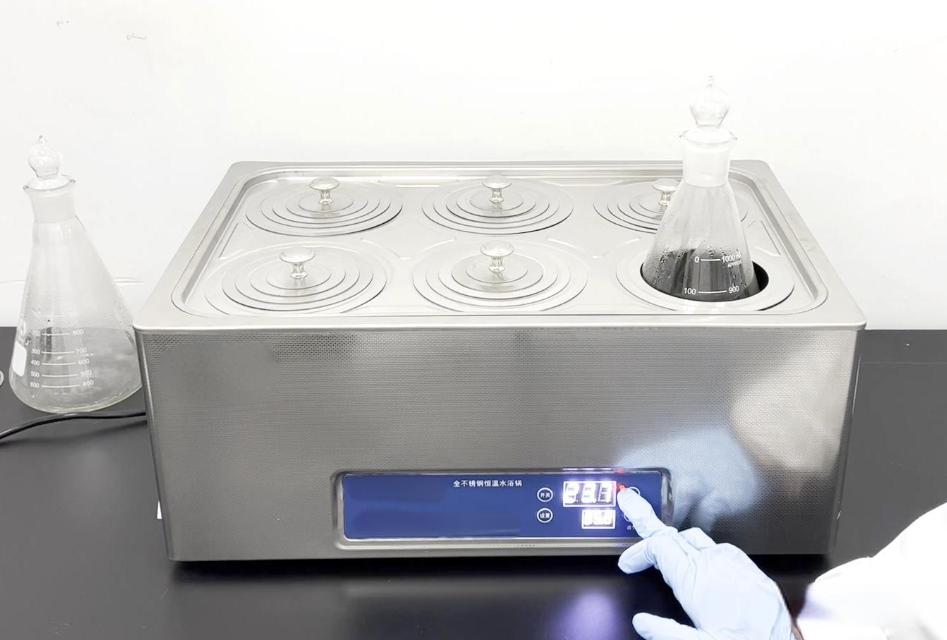
Knowing how to use a laboratory water bath correctly is essential for achieving accurate and reliable results in chemistry and biology experiments. A laboratory water bath allows controlled heating of samples while maintaining a stable and uniform temperature, making it widely used in research laboratories, universities, and educational settings.
In this step-by-step guide, we explain how to set up, operate, and safely use a laboratory water bath for different laboratory applications.
If you are looking for reliable models, you can explore our expert guide to the best laboratory water baths for research labs to find the right option for your needs.
Step-by-Step Guide to Using a Laboratory Water Bath
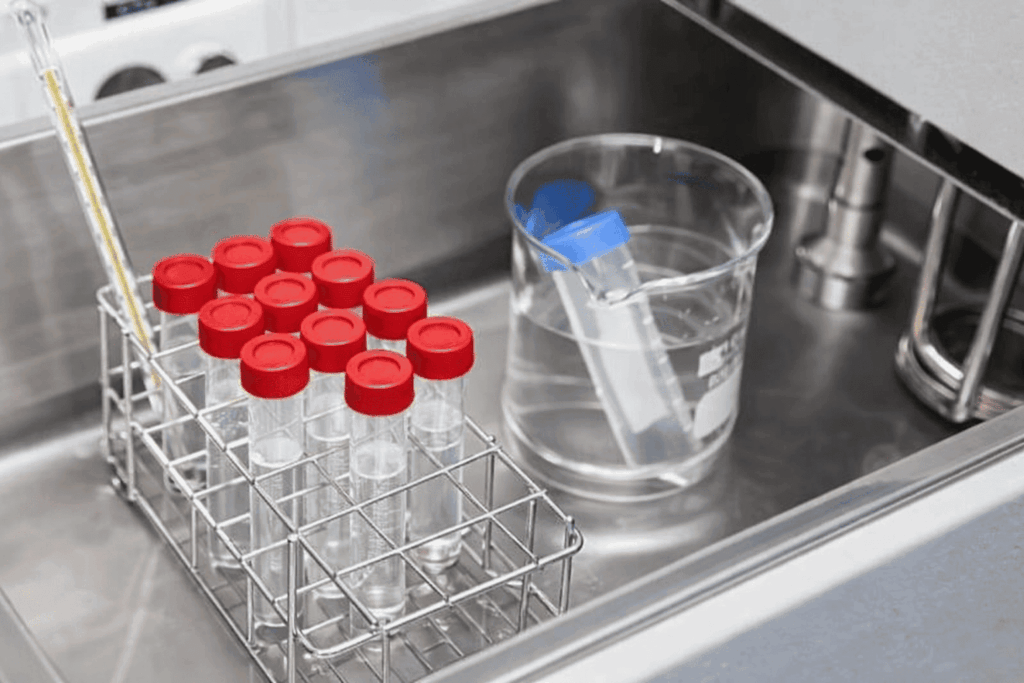
Using a laboratory water bath correctly requires a clear step-by-step approach to ensure accurate results and safe operation. By following the proper laboratory water bath procedure, you can achieve consistent temperature control, prevent common errors, and improve the efficiency of your experiments. The following steps will guide you through how to use a laboratory water bath effectively in any research or educational laboratory setting.
Step 1: Fill the Water Bath with Distilled Water
Start by filling the water bath chamber with distilled or deionized water to the recommended level. Using distilled water helps prevent mineral buildup and ensures consistent heating performance.
Step 2: Set the Desired Temperature
Turn on the laboratory water bath and set the desired temperature using the digital control panel. Most water baths operate between ambient +5 °C and 100 °C, depending on the application.
Step 3: Allow the Water Bath to Reach the Set Temperature
Wait until the water bath reaches the target temperature. Many digital laboratory water baths display both the current and set temperature, allowing you to monitor the heating process.
If you don’t already have a suitable model, it’s worth exploring our guide to the best laboratory water baths for research labs to compare reliable options.
Step 4: Place Your Samples Carefully
Place your samples (such as test tubes or flasks) into the water bath using appropriate holders or racks. Ensure that the water level is sufficient to cover the sample area for uniform heating.
To better understand different heating methods, you can also compare a water bath vs hot plate for laboratory applications.
Step 5: Monitor the Process
During operation, monitor the temperature and ensure the water level remains adequate. For longer experiments, use the built-in timer to control heating duration.
Step 6: Turn Off and Clean the Water Bath
After completing your experiment, turn off the device and allow it to cool before removing the water. Regular cleaning helps maintain performance and extends the lifespan of the laboratory water bath.
Common Mistakes When Using a Laboratory Water Bath
When using a laboratory water bath, some common mistakes can affect the accuracy of your results. These include overfilling the chamber, using tap water instead of distilled water, placing samples incorrectly, and running the unit without sufficient water. Avoiding these mistakes helps ensure safe operation and reliable performance.
Safety Tips When Using a Laboratory Water Bath
Always follow safety guidelines when operating a laboratory water bath. Avoid overfilling, never run the unit without water, and use protective gloves when handling hot samples. Ensure the device is placed on a stable surface and keep electrical components dry.
For general laboratory safety guidelines, you can refer to resources provided by the CDC laboratory safety guidelines.
Conclusion
Using a laboratory water bath correctly ensures accurate results and safe operation in laboratory environments. By following the proper setup and usage steps, you can improve the efficiency and reliability of your experiments.
Frequently Asked Questions About Laboratory Water Baths
Most laboratory water baths take between 10 to 30 minutes to reach the desired temperature, depending on the set temperature and capacity of the unit.
It is recommended to use distilled or deionized water instead of tap water to prevent mineral buildup and ensure consistent heating performance.
The ideal temperature depends on the application, but most laboratory procedures use temperatures between 37 °C and 100 °C.