
Introduction
In many labs, a water bath runs quietly in the background—day after day, experiment after experiment. Because it seems simple, it’s often overlooked. Knowing how to clean a laboratory water bath properly is essential for maintaining accurate and reliable results. Over time, even a well-functioning unit can become a hidden source of contamination, unstable temperatures, and inconsistent outcomes if it isn’t properly maintained.
The good news is that keeping a laboratory water bath clean doesn’t require complicated procedures or expensive chemicals. With a consistent routine and a few practical habits, you can prevent bacterial growth, improve temperature stability, and significantly extend the life of your equipment.
In this guide, you’ll learn how to clean and maintain a laboratory water bath step by step, along with practical tips used in real lab environments to keep performance consistent and reliable.
Why Cleaning a Laboratory Water Bath Is Important
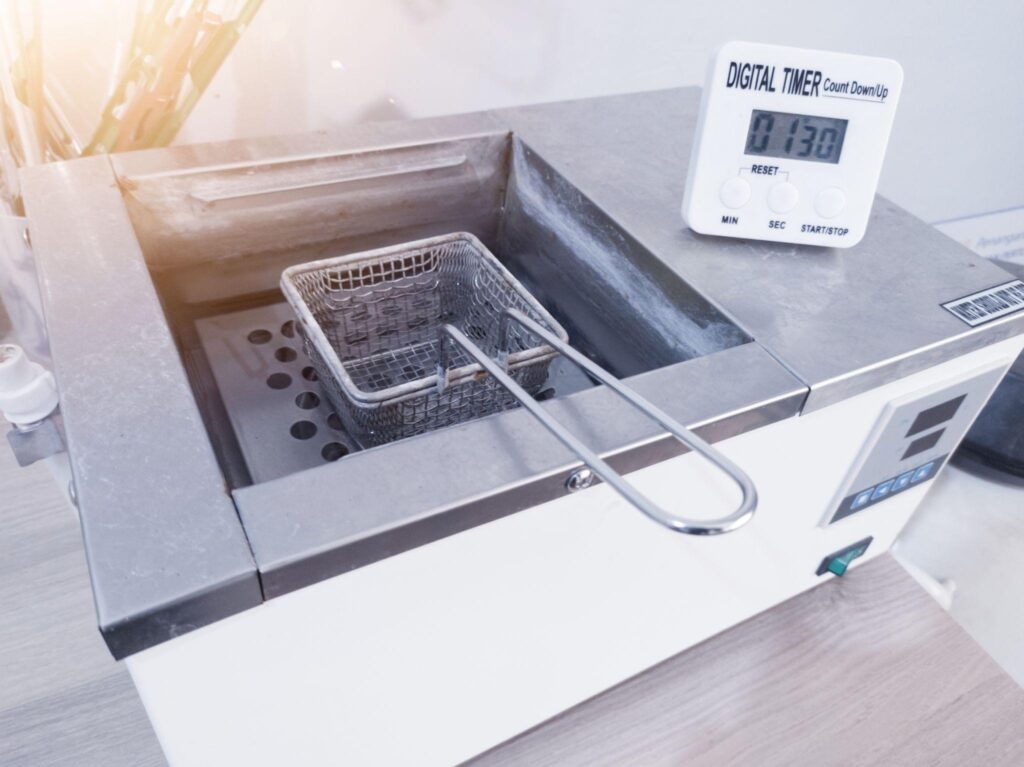
At first glance, a laboratory water bath may seem like a low-maintenance piece of equipment. However, without regular cleaning, it can quickly turn into a source of contamination and unreliable results. Even small amounts of residue or microbial growth can affect both performance and experimental accuracy.
Prevents Contamination
Over time, warm water creates an ideal environment for bacteria, algae, and other microorganisms.
If not cleaned regularly, these contaminants can:
- affect sensitive samples
- introduce unwanted variables into experiments
Maintains Temperature Accuracy
A dirty water bath doesn’t just look bad—it can actually impact heat distribution.
Residue buildup and biofilm can:
- reduce thermal efficiency
- cause uneven temperature zones
For experiments that rely on precise temperature control, this becomes a serious issue.
Extends Equipment Lifespan
Mineral deposits (especially from tap water) and chemical residues can damage internal components over time.
Regular cleaning helps:
- prevent corrosion
- reduce wear on heating elements
- avoid costly repairs or replacements
Eliminates Odors and Residue
If you’ve ever opened a neglected water bath, you know the smell
That odor usually comes from bacterial growth and stagnant water.
Routine cleaning:
improves overall hygiene
keeps the lab environment fresh
If you’re considering upgrading to a model that’s easier to clean and maintain, check out our detailed guide:
👉 Best Laboratory Water Baths for Research Labs (2026 Guide)
How to Clean a Laboratory Water Bath Step by Step
Choosing the right cleaning approach is essential to maintain performance and avoid damage to your laboratory water bath.
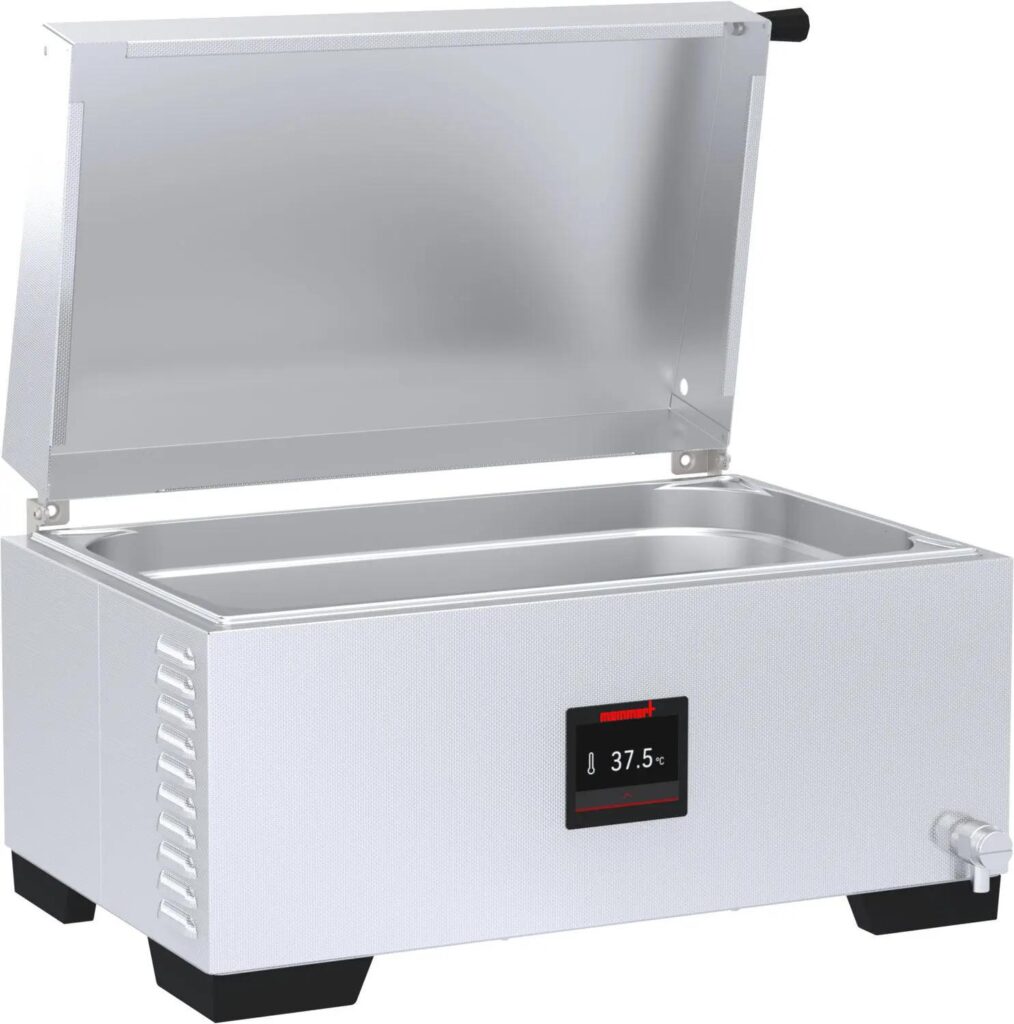
Cleaning a laboratory water bath doesn’t require complex procedures, but it does require consistency and attention to detail. Follow these simple steps to ensure safe, effective cleaning and long-term performance.
Step 1 – Turn Off and Unplug the Water Bath
Before starting, always turn off the device and disconnect it from the power source.
This prevents electrical hazards and allows the unit to cool down safely.
Step 2 – Drain the Water Completely
Remove all the water from the bath chamber.
If the water has been sitting for a while, you may notice discoloration or odor—this is a sign of contamination buildup.
Step 3 – Remove Debris and Residue
Use a soft cloth or sponge to wipe away visible debris, sediment, or biofilm from the interior surfaces.
Avoid abrasive materials, as they can damage the stainless steel.
Step 4 – Clean with a Mild Detergent or Disinfectant
Prepare a cleaning solution using:
- mild laboratory detergent
- or diluted bleach (low concentration)
Gently clean all internal surfaces, including corners and hard-to-reach areas.
Step 5 – Rinse Thoroughly
Rinse the chamber multiple times with clean (preferably distilled) water.
Any leftover cleaning chemicals can affect future experiments.
Step 6 – Dry Completely Before Refilling
Use a clean, dry cloth to remove moisture or let the unit air dry.
This helps prevent corrosion and microbial growth.
Best Cleaning Solutions for Water Baths
Choosing the right cleaning solution is essential to maintain performance and avoid damaging your laboratory water bath. Using the wrong chemicals can lead to corrosion, residue buildup, or even inaccurate temperature readings over time.
Distilled Water (For Daily Use)
Distilled water should always be your default choice for filling a laboratory water bath.
It helps:
- prevent mineral buildup
- reduce scaling on internal surfaces
- maintain consistent heating performance
👉 Avoid tap water whenever possible, as it contains minerals that can accumulate over time.
Mild Laboratory Detergents
For routine cleaning, a mild, non-corrosive lab detergent is highly effective.
Best for:
- removing light residue
- cleaning stainless steel interiors
- regular weekly maintenance
✔ Always choose detergents labeled safe for laboratory equipment.
Diluted Bleach (For Disinfection)
A low-concentration bleach solution can be used occasionally to disinfect the water bath.
Use it when:
- there is visible microbial growth
- you notice odor or contamination
⚠️ Important:
- Always dilute properly
- Never leave bleach in the system for long periods
- Rinse thoroughly after use
Ethanol (Quick Surface Disinfection)
Ethanol (70%) is useful for quick disinfection of accessible surfaces.
Ideal for:
- rapid cleaning between experiments
- wiping down external parts
❗ Not recommended as a primary cleaning solution for the entire bath.
Cleaning Solutions to Avoid
Using the wrong chemicals can permanently damage your equipment
Avoid:
- ❌ Strong acids (e.g., HCl, H₂SO₄)
- ❌ Abrasive cleaners
- ❌ High-concentration bleach
- ❌ Industrial solvents
These can:
- corrode stainless steel
- damage seals and components
- reduce the lifespan of the unit
Pro Tip
For best results, combine regular cleaning with distilled water use.
This simple habit dramatically reduces maintenance effort and keeps your water bath performing like new.
How Often Should You Clean a Laboratory Water Bath?
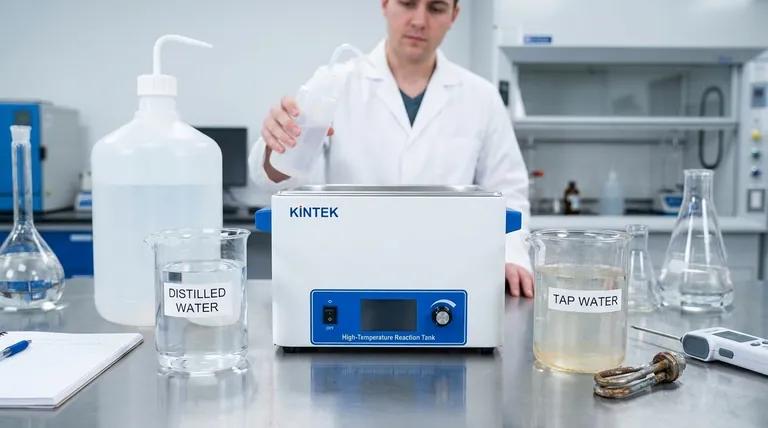
There’s no single cleaning schedule that fits every laboratory. The ideal frequency depends on how often the water bath is used, the type of samples being processed, and the environmental conditions of the lab. However, establishing a consistent cleaning routine is essential to prevent contamination and maintain reliable performance.
Daily Use (High-Throughput Labs)
If your water bath is used continuously throughout the day:
- Perform a light cleaning every 2–3 days
- Do a full cleaning at least once per week
- Replace water frequently (preferably with distilled water)
👉 This helps prevent microbial growth and ensures stable temperature conditions.
Moderate Use (Regular Research Labs)
For labs that use water baths several times a week:
- Clean the unit once per week
- Inspect for residue or odor between uses
- Change water every few days
This schedule balances performance and maintenance effort.
Occasional Use (Low Activity)
If the water bath is used infrequently:
- Clean thoroughly before and after use
- Avoid leaving water inside for long periods
- Dry the unit completely when not in use
👉 Stagnant water is one of the main causes of contamination.
Signs That Your Water Bath Needs Immediate Cleaning
Even with a schedule, you should never ignore early warning signs:
- ❌ Cloudy or discolored water
- ❌ Unpleasant odor
- ❌ Visible particles or biofilm
- ❌ Temperature instability
👉 If any of these appear, clean the unit immediately—don’t wait for the next scheduled maintenance.
Pro Tip (Professional Lab Practice)
In many research labs, technicians maintain a cleaning log for equipment like water baths.
Tracking cleaning dates and observations:
- improves consistency
- reduces human error
- helps with lab audits and quality control
Maintenance Tips to Extend Water Bath Life
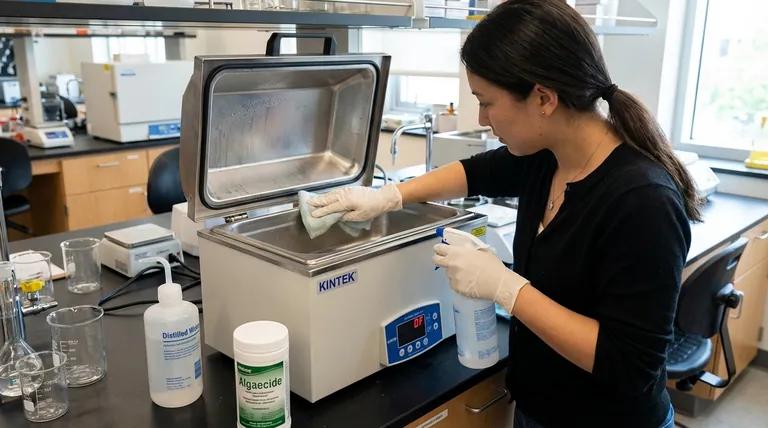
Proper maintenance is just as important as regular cleaning. A well-maintained laboratory water bath not only performs more reliably but also lasts significantly longer. By following a few simple practices, you can minimize downtime, reduce contamination risks, and keep your equipment operating at peak efficiency.
Always Use Distilled Water
Using distilled water is one of the most effective ways to prevent long-term issues.
It helps:
- reduce mineral deposits
- prevent scaling on heating elements
- extend the time between cleaning cycles
👉 This simple habit can dramatically improve overall performance.
Keep the Lid Closed When Not in Use
Leaving the water bath open increases:
- evaporation
- contamination from airborne particles
Keeping the lid closed:
- maintains temperature stability
- keeps the internal environment clean
Avoid Overheating the Unit
Running the water bath at unnecessarily high temperatures can:
- accelerate evaporation
- increase residue formation
- stress internal components
👉 Always operate within the recommended temperature range.
Use Anti-Algae Additives (If Needed)
In environments prone to microbial growth, consider using lab-safe additives.
These can:
- prevent algae formation
- reduce odor
- keep water cleaner for longer
⚠️ Only use solutions compatible with laboratory equipment.
Clean Before Problems Appear
Don’t wait for visible contamination.
Instead:
- follow a consistent schedule
- inspect regularly
- act early
👉 Preventive maintenance is always easier than deep cleaning.
Keep a Maintenance Log
In professional lab environments, tracking maintenance is standard practice.
A simple log helps:
- ensure regular cleaning
- identify recurring issues
- maintain consistency across users
Common Maintenance Mistakes
Avoid these common errors:
- ❌ Using tap water regularly
- ❌ Ignoring small signs of contamination
- ❌ Overfilling the chamber
- ❌ Leaving water stagnant for long periods
FAQs About Cleaning Laboratory Water Baths
Laboratory water baths should be cleaned at least once a week under regular use. In high-use environments, light cleaning every 2–3 days and full cleaning weekly is recommended to prevent contamination and maintain performance.
Using tap water is not recommended because it contains minerals that can cause scaling and contamination. Distilled water is the preferred option for better performance and reduced maintenance.
Mild laboratory detergents and diluted bleach solutions are commonly used. These help remove residue and disinfect surfaces without damaging the equipment.
To prevent algae growth, use distilled water, keep the lid closed when not in use, and clean the unit regularly. Anti-algae additives can also be used if necessary.
Yes, contamination, residue buildup, and uneven temperature distribution in a dirty water bath can lead to inaccurate and unreliable experimental results.