
Introduction
Back in my university lab days, I realized something pretty fast—experiments almost never go the way you expect if you can’t control the environment. One week I was helping in a chemistry setup where we needed to pull moisture out of a reaction flask; the next, I was in the physics lab trying to keep a laser table dust-free. Different projects, same hero: the vacuum pump. Just like with Arduino starter kits for physics experiments ,my former article, the right scientific laboratory vacuum pumps turns abstract theory into something you can actually test and see in action.
Over the years I’ve used all sorts—noisy old rotary vane units, quiet little oil-free pumps that you can barely hear, and even a massive turbomolecular beast that sounded like it was about to take off. Each had its quirks, and choosing the wrong one could make a simple experiment turn into a full-day headache.
In this guide, I’ll walk you through the top scientific laboratory vacuum pumps I’d actually trust in a real lab, the pros and cons of each, and a few things I wish I’d known before buying my first one.
Why Vacuum Pumps Are Essential in Scientific Experiments?
The first time I walked into a physics lab, I quickly realized something: half the challenge isn’t just running the experiment—it’s keeping everything around it in check. Even tiny things can mess up days of work. Take a chemistry setup, for instance—just a bit of moisture in a flask, and everything goes wrong. In physics labs, a vacuum pump you can actually rely on keeps things low-pressure and clean. From delicate laser tables to advanced optics setups, it quietly does its job.
I still remember one project with thin-film coatings. Nothing seemed to work for days. We tried everything we could think of—until we hooked up a rotary vane pump. Overnight, the setup stabilized. Finally, the measurements made sense. Moments like that? They really hit me—vacuum pumps aren’t just some extra gadget. They’re the real deal in any serious lab.
Picking one isn’t just about the price, you know. It’s about finding something precise, reliable, and actually suited to what you’re doing. Simple filtration or high-vacuum chambers—having the right pump makes all the difference. Less frustration, better results, and more fun in the lab.
For labs that need 3D printers, Top 3D Printers for Educational Labs in 2025 comes highly recommended.
Comparison of the Best Scientific Laboratory Vacuum Pumps (2025)
Picking the right scientific laboratory vacuum pump wasn’t just about fancy specs. It was about which one actually held up under daily use. Sometimes, we needed a pump that could handle harsh chemical vapors in chemistry experiments. Other times, it was about keeping a physics vacuum system stable for hours without interruption.
Over time, I realized the real trick was focusing on the basics—flow rate, ultimate pressure, and ease of maintenance. In addition, knowing which pump type suits your specific experiment can save both time and frustration.
To save you the trial and error, in next part, I went through a side-by-side look at 3 of the top lab vacuum pumps in 2025. They range from oil-free diaphragm units to rugged rotary vane models.
Top Scientific Laboratory Vacuum Pumps: Detailed Reviews
Before we get into the product reviews, let me share why picking the right vacuum pump actually matters. In my own lab work, I’ve learned that whether you’re handling sensitive optics, tough chemical vapors, or thin-film coatings, the pump you choose can make or break your experiment. The wrong one can turn a few hours of work into a full day of frustration.
Here, I’ll walk you through three vacuum pumps I’ve personally used and can recommend—they’ve proven reliable, precise, and sturdy enough for real lab conditions.
Interested in precise distance measurements? Don’t miss our article on Best Laser Distance Meters for Physics Labs.
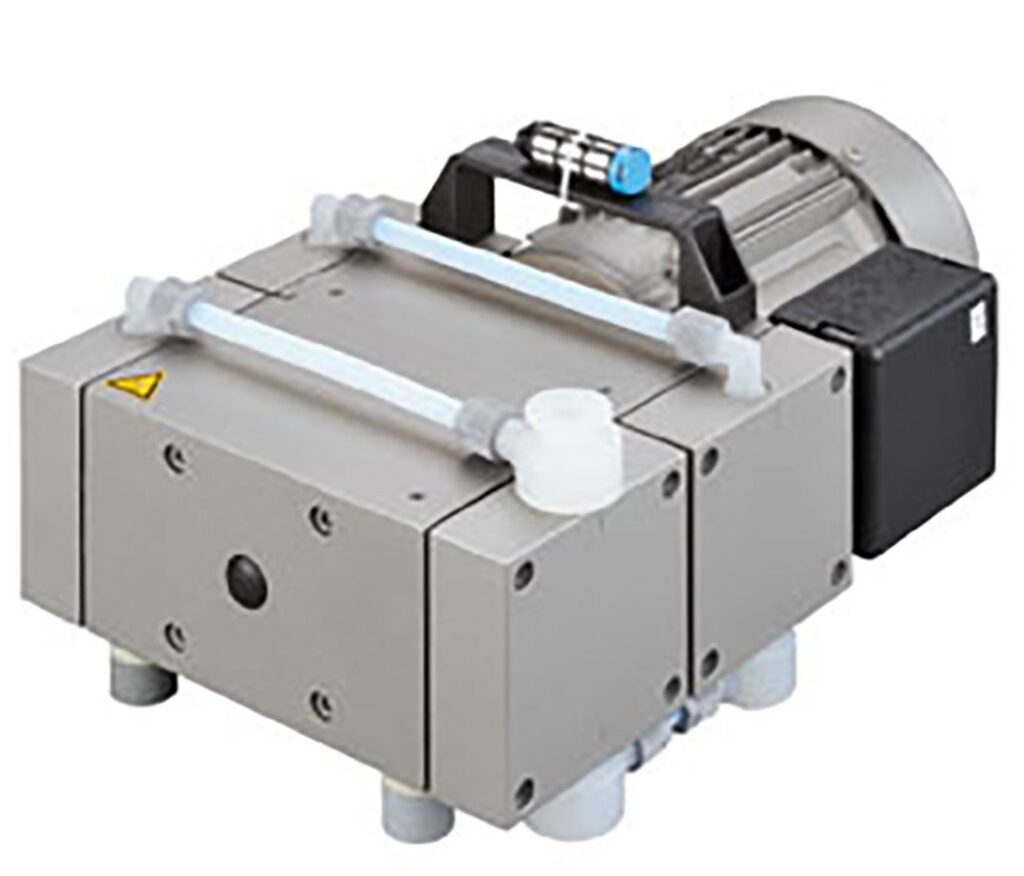
Welch Vacuum 2054B‑01 PTFE Pump
I first used the Welch 2054B‑01 during a lab project. we needed a pump that could handle some pretty aggressive chemical vapors. This PTFE dry vacuum pump was a lifesaver—oil-free, easy to maintain, and surprisingly quiet for its size. Running on 115 V, 60 Hz, it gave us a steady 97 L/min flow and reached 6 Torr, which was perfect for our concentrator experiments and other tricky lab setups. Honestly, it just worked—no drama, no messy cleanup, and no interruptions.
Key Advantages:
- Handles harsh chemical vapors
- oil-free and low maintenance,
- reliable performance over long sessions
- stable under heavy lab use.
Drawbacks:
Pricey, not ideal if you need ultra-high vacuum.
Price Information:
🔗 This model costs around $4,433.03, but prices may vary — check it on amazon.
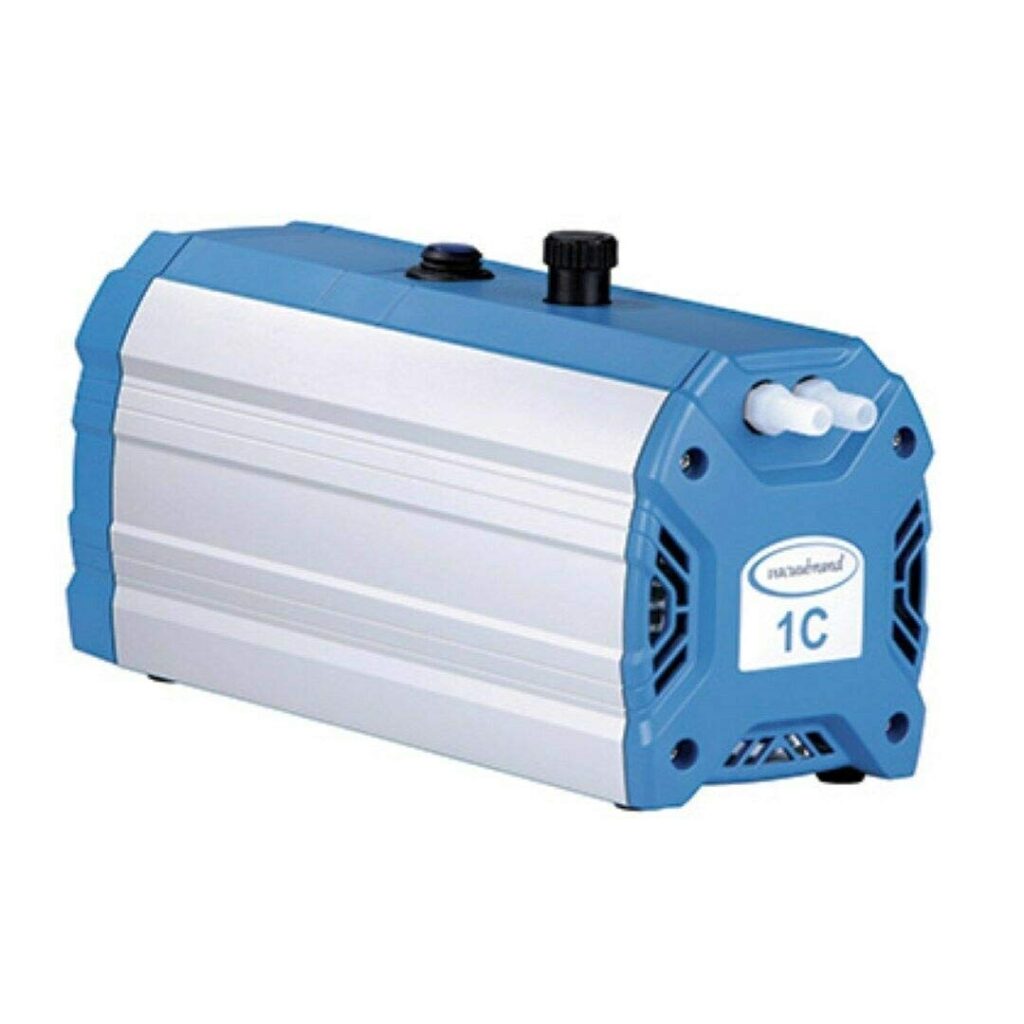
BrandTech MZ1C Vacuubrand Vacuum Pump, 100–120 Volts
Whole Explanation About Device
The BrandTech MZ1C Vacuubrand Vacuum Pump is a compact, oil-free diaphragm pump designed for laboratory applications where chemical resistance and reliability are crucial. Made in Germany, this unit is well-suited for handling corrosive gases and vapors, making it a strong choice for chemistry labs that need dependable vacuum performance without the risk of oil contamination. With an ultimate vacuum of around 70 mbar and a flow rate of 2.5 cfm, it offers enough capacity for medium-duty tasks such as filtration, degassing, or solvent evaporation. Its diaphragm design minimizes maintenance while ensuring a clean, oil-free operation that supports consistent results over time.
Key Advantages
- Oil-free operation — no contamination risk and reduced maintenance needs.
- High chemical resistance due to robust diaphragm construction.
- Compact and lightweight design for easy placement in lab setups.
- Reliable German engineering with long-term durability.
- Quiet operation compared to many mechanical pumps.
Drawbacks
- Lower vacuum depth compared to rotary vane pumps (not suitable for very high vacuum needs).
- Initial cost is relatively high for a diaphragm pump.
- Limited flow rate for large-scale setups.
Price Information:
🔗 This model typically costs around $2,484.00, but prices may vary — check it on amazon.
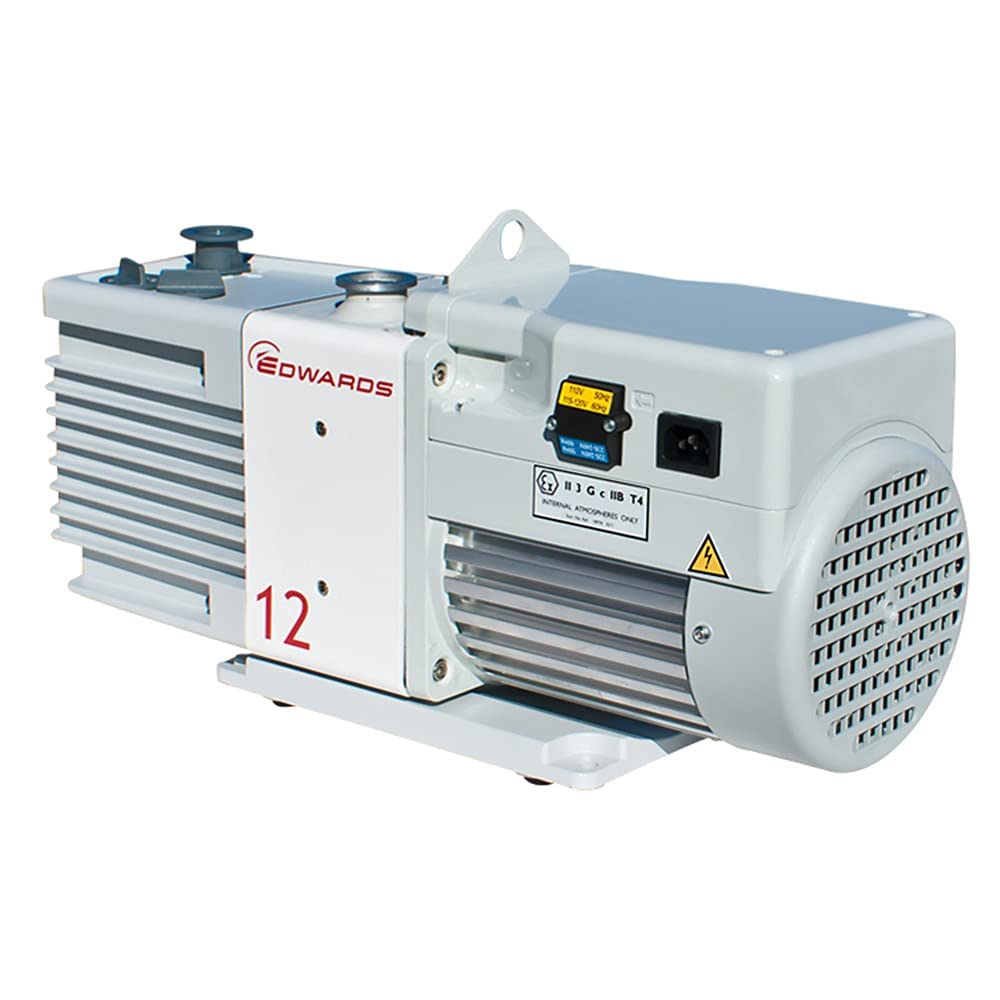
Edwards RV12 Rotary Vane Dual Stage Mechanical Vacuum Pump (A65501903)
The Edwards RV12 is a dual-stage rotary vane pump. It built for labs that need a dependable source of vacuum. Unlike simpler diaphragm pumps, this model runs on oil and can achieve a much deeper vacuum level. It comes with a universal motor, so it works with a wide range of voltages and frequencies — handy if your lab setup changes or you’re ordering for international use. One detail researchers appreciate is the anti-suck back valve, which shuts within 0.4 seconds to protect sensitive experiments if the pump stops. The RV12 also runs more quietly than many other rotary vane systems, making the lab environment less distracting. Just keep in mind you’ll need to buy Ultragrade 19 pump oil separately, since it isn’t included in the box.
For hands-on lab work or hobby projects, don’t miss Best Digital Oscilloscopes for Students 2025.
Key Advantages:
- Well-lubricated moving parts for durability
- Two-stage design for stronger vacuum levels
- Reliable anti-suck back protection
- Handles large amounts of water vapor (up to 290 g/hr)
- Universal motor works worldwide
- Quieter than many similar pumps
- Straightforward maintenance process
Drawbacks:
- Oil is required but not supplied
- Larger and heavier compared to dry pumps
- Needs regular servicing compared to oil-free units
Price Information:
🔗 This model typically costs around $3,999.00, but prices may vary — check it on amazon.
How to Choose the Right Laboratory Vacuum Pump
When I first started in the lab, I quickly realized one thing: picking the wrong pump can ruin your day. I remember trying a filtration setup with a small diaphragm pump—it worked fine. Then, a few days later, I needed to handle some harsh chemical vapors, and using the same pump? Total disaster. That’s when I learned that choosing the right scientific laboratory vacuum pump isn’t just about the price or brand—it’s about what fits your experiments.
If you’re setting up a university lab and need detailed signal analysis, check out Best Spectrum Analyzers for University Labs.
Pump Type: Diaphragm, Rotary Vane, or PTFE
Different pumps do different jobs. Diaphragm pumps are oil-free, quiet, and low-maintenance. Perfect if you’re dealing with corrosive vapors. Rotary vane pumps can reach deeper vacuum levels, which is handy for physics experiments or thin-film coatings. PTFE pumps are great all-rounders—they resist chemicals well and can handle medium flow rates. In practice, knowing your lab’s needs helps you avoid frustrating trial-and-error.
Flow Rate & Vacuum Depth
You’ll want to check how much air the pump can move and how deep a vacuum it can reach. A tiny diaphragm pump might be fine for a small filtration. It’ll struggle with bigger setups. On the flip side, a rotary vane might be overkill for simple tasks. Matching the specs to your actual experiments saves both time and headaches.
Chemical Compatibility
Working with solvents, acids, or other aggressive chemicals? Not all pumps can handle that. PTFE and diaphragm pumps are usually your safest bet. Using the wrong pump can damage your equipment or, worse, ruin experiments. Trust me, it’s worth double-checking.
Maintenance & Noise
Nobody likes a pump that constantly demands attention—or one that sounds like a jet engine. Diaphragm pumps are quieter and simpler, while rotary vanes need oil and regular servicing. Think about how often you’ll run the pump and how distracting noise might be in your lab.
For accurate measurements in physics experiments, our guide on Top Precision LCR Meters for Physics Experiments is worth a read.
Conclusion
it’s clear that there isn’t a single “best” vacuum pump for every lab. What works in a chemistry lab handling aggressive vapors may not be the right fit for a physics setup that just needs steady, clean vacuum.
From my own experience, the smartest choice is usually the pump that feels balanced—you don’t overpay for features you won’t use, but you also don’t cut corners on reliability. In the long run, that balance saves time, stress, and even money.
In the end, there’s no one-size-fits-all answer. A pump that works great for handling solvents in an organic chemistry lab might be overkill for someone who just needs a steady vacuum for simple drying work.
When I was first looking into pumps, I realized the tricky part wasn’t the specs on paper—it was figuring out how much maintenance I could realistically keep up with, and whether the pump would survive the chemicals I use most. That’s something no product page really tells you.
So, instead of focusing only on price or brand, it helps to ask: will this pump actually make my day-to-day work easier? If the answer feels like “yes,” then it’s probably the right choice.
Want precise readings without breaking the bank? Take a look at Top Digital Multimeters for Physics Experiments 2025.
Call to Action
So, which pump should you actually pick? Honestly, it depends on what your lab really needs. I’ve tried all three in real setups:
The Welch 2054B-01 PTFE handles some nasty chemical vapors without flinching.
The BrandTech MZ1C Vacuubrand? Super low-maintenance and oil-free—it just keeps going.
The Edwards RV12 Rotary Vane is loud but solid for heavier-duty work; It never lets you down.
Here’s what I do before buying anything: I check Amazon for the latest prices, skim through specs, and think, “Will this actually save me headaches in the lab?” If the answer is yes, I pull the trigger.
👉 Want to see which one fits your experiments best? Check current prices and details on Amazon. Trust me, doing this little homework upfront makes life in the lab way easier:
FAQ – Scientific Laboratory Vacuum Pumps
Q1: Which type of vacuum pump is best for a chemistry lab?
Honestly, it depends on what chemicals you’re using. For harsh solvents or corrosive vapors, I usually lean toward PTFE or diaphragm pumps. They’re tougher with nasty chemicals and need less frequent maintenance. I’ve seen people try a cheap rotary pump and regret it when stuff starts corroding.
Q2: Do I really need an oil-free pump?
It’s not always necessary. The oil-free pumps are great if you want low maintenance and less mess. Personally, I love using an oil-free pump for small-scale experiments, because I don’t have to worry about changing oil or cleaning up leaks. For heavier-duty setups, though, a well-maintained rotary vane pump with oil can actually last longer.
Q3: How do I know the pump is reliable?
Honestly, there’s no secret formula. I usually check a few things like brand reputation, user reviews, and whether my colleagues have used it without constant issues. If a pump feels sturdy, handles the chemicals I need, and keeps running without me babysitting it all day—that’s reliable in my book.
Q4: Should I always choose the most expensive model?
Not necessarily. I’ve seen folks buy the priciest pump thinking it’s automatically the best. The trick is matching the pump to your experiments. Sometimes a slightly cheaper model fits your workflow perfectly and causes less stress. Spend a bit of time thinking about your actual lab needs—it pays off.
Q5: Where’s the best place to check prices and availability?
Amazon is usually my prefer. You can quickly compare specs, read reviews, and see if it ships to your location. But don’t just look at the number—think about whether that pump will handle your daily experiments without a headache.