
If you want accurate measurements, you must calibrate a digital pH meter properly. Even the best digital pH meters can give incorrect readings if calibration is not done correctly.
In laboratories, research experiments, and even hydroponic systems, pH measurement accuracy is extremely important. Therefore, learning how to calibrate a digital pH meter is a basic skill for students, researchers, and technicians.
In this guide, you will learn how to calibrate a digital pH meter step by step, which tools you need, and how to avoid the most common calibration mistakes.
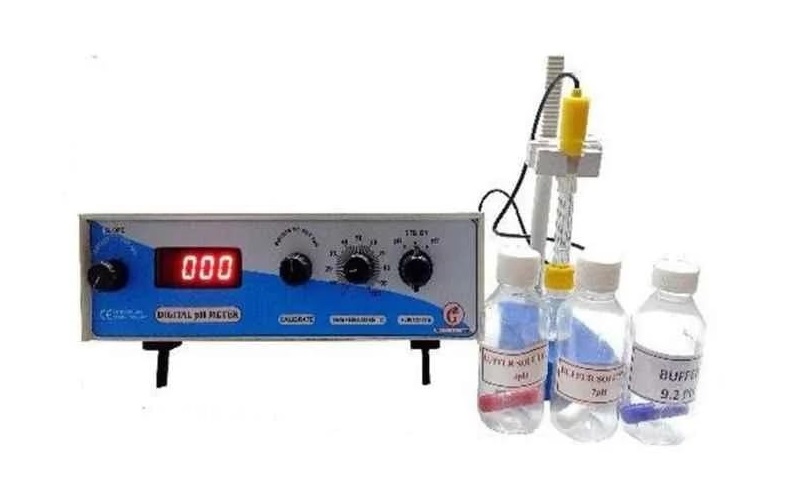
Other analytical tools such as conductivity meters for water testing are also commonly used in laboratories for accurate solution analysis.
Why You Need to Calibrate a Digital pH Meter
Before learning how to calibrate a digital pH meter, it is important to understand why calibration is necessary.
A pH meter measures hydrogen ion activity using a sensitive glass electrode. However, the electrode response slowly changes over time due to contamination, temperature variations, aging, and frequent use.
As a result, the meter may start showing inaccurate values.
Proper calibration helps you:
- improve measurement accuracy
- reduce reading errors
- maintain consistent results
- ensure reliable laboratory data
- extend electrode lifetime
Because of this, most laboratories calibrate a digital pH meter regularly before measurements.
What You Need to Calibrate a Digital pH Meter
Before you start, prepare the following items.
| Item | Purpose |
|---|---|
| Digital pH meter | Measurement device |
| pH buffer solution (4, 7, 10) | Calibration reference |
| Distilled water | Rinse electrode |
| Clean beakers | Prevent contamination |
| Soft tissue | Gently dry electrode |
Using fresh buffer solutions is very important. Old or contaminated buffers can cause inaccurate calibration results.
Standard buffer solutions used for pH calibration follow internationally recognized reference values defined by organizations such as the National Institute of Standards and Technology (NIST).
Step-by-Step: How to Calibrate a Digital pH Meter
Now let’s go through the correct procedure to calibrate a digital pH meter.
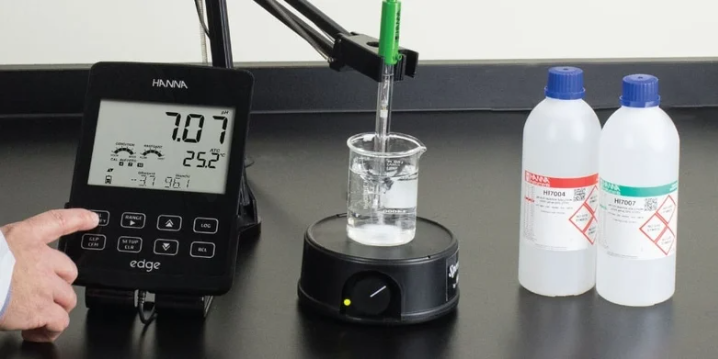
1. Turn on the pH Meter
First, turn on the device and allow it to stabilize for a few seconds. Some meters require a short warm-up period before calibration.
2. Rinse the Electrode
Next, rinse the electrode with distilled water. This step removes any residue from previous measurements.
Then gently blot the electrode using soft tissue. Do not rub it, because the glass membrane is very sensitive.
3. Place the Electrode in pH 7 Buffer
Most calibration procedures begin with the neutral buffer solution (pH 7).
Insert the electrode into the pH 7 buffer and wait until the reading stabilizes. After that, confirm the calibration using the meter’s calibration button.
4. Rinse the Electrode Again
After the first calibration point, rinse the electrode again with distilled water. This prevents contamination of the next buffer solution.
5. Calibrate with the Second Buffer
Now place the electrode in another buffer solution.
- Use pH 4 buffer if you measure acidic samples
- Use pH 10 buffer if you measure alkaline samples
Wait for the value to stabilize and confirm the second calibration point.
6. Perform Three-Point Calibration (Optional)
For higher accuracy, many laboratories perform three-point calibration using pH 4, 7, and 10 buffers.
This method improves accuracy across a wider pH range.
If you are building a complete laboratory setup, you may also want to explore our guide to essential laboratory equipment for physics and chemistry labs.
Common Mistakes When Calibrating a Digital pH Meter
Many users make simple mistakes during calibration. Avoiding these errors will improve your measurement accuracy.
Using Old Buffer Solutions
Expired or contaminated buffers can lead to incorrect calibration.
Not Rinsing the Electrode
Skipping the rinsing step may contaminate the next buffer solution.
Dry Electrode
A dry electrode responds slowly and gives unstable readings.
Incorrect Temperature
Large temperature differences between the sample and buffer can affect calibration.
How Often Should You Calibrate a Digital pH Meter?
Calibration frequency depends on how often the meter is used.
General recommendations:
- daily calibration for laboratory experiments
- calibration before important measurements
- recalibration after long storage
- recalibration if readings appear unstable
If accuracy is important, it is always safer to calibrate a digital pH meter before each measurement session.
Accurate measurements in laboratory work also depend on reliable instruments such as analytical balances for precise mass measurement.
Tips for Better pH Measurement Accuracy
To get the best results from your pH meter:
- store the electrode in proper storage solution
- rinse the electrode after every use
- never let the electrode dry out
- replace buffer solutions regularly
- avoid touching the glass bulb
Following these practices helps maintain both accuracy and electrode lifespan.
Final Thoughts
Learning how to calibrate a digital pH meter is essential for obtaining reliable pH measurements. Proper calibration only takes a few minutes, but it greatly improves accuracy.
By using fresh buffer solutions, rinsing the electrode carefully, and calibrating regularly, you can ensure consistent and dependable results in any laboratory or testing environment.
Below are some frequently asked questions about how to calibrate a digital pH meter.
Frequently Asked Questions About pH Meter Calibration
To calibrate a digital pH meter, first rinse the electrode with distilled water and gently blot it dry. Then place the electrode in a pH 7 buffer solution and confirm the calibration. After that, rinse the electrode again and repeat the process using a pH 4 or pH 10 buffer solution depending on the expected sample range.
Most laboratories recommend calibrating a digital pH meter daily or before important measurements. However, if the meter is used frequently or high accuracy is required, calibration should be performed before every measurement session.
The most commonly used buffer solutions for calibrating a digital pH meter are pH 4, pH 7, and pH 10. These buffers allow two-point or three-point calibration to improve measurement accuracy across different pH ranges.
A pH meter may fail to calibrate properly due to several reasons, including expired buffer solutions, a dirty electrode, improper storage, or temperature differences. In many cases, cleaning the electrode and using fresh buffer solutions can solve the problem.
Technically, a pH meter requires standard buffer solutions to perform accurate calibration. Without proper buffer solutions, the meter cannot establish a reliable reference point, which may lead to inaccurate measurements.
A pH electrode should be stored in a dedicated storage solution recommended by the manufacturer. Storing the electrode in distilled water for long periods can damage the sensor and reduce its lifespan.
Understanding how to calibrate a digital pH meter properly can significantly improve measurement accuracy in laboratories, research experiments, and water testing applications.